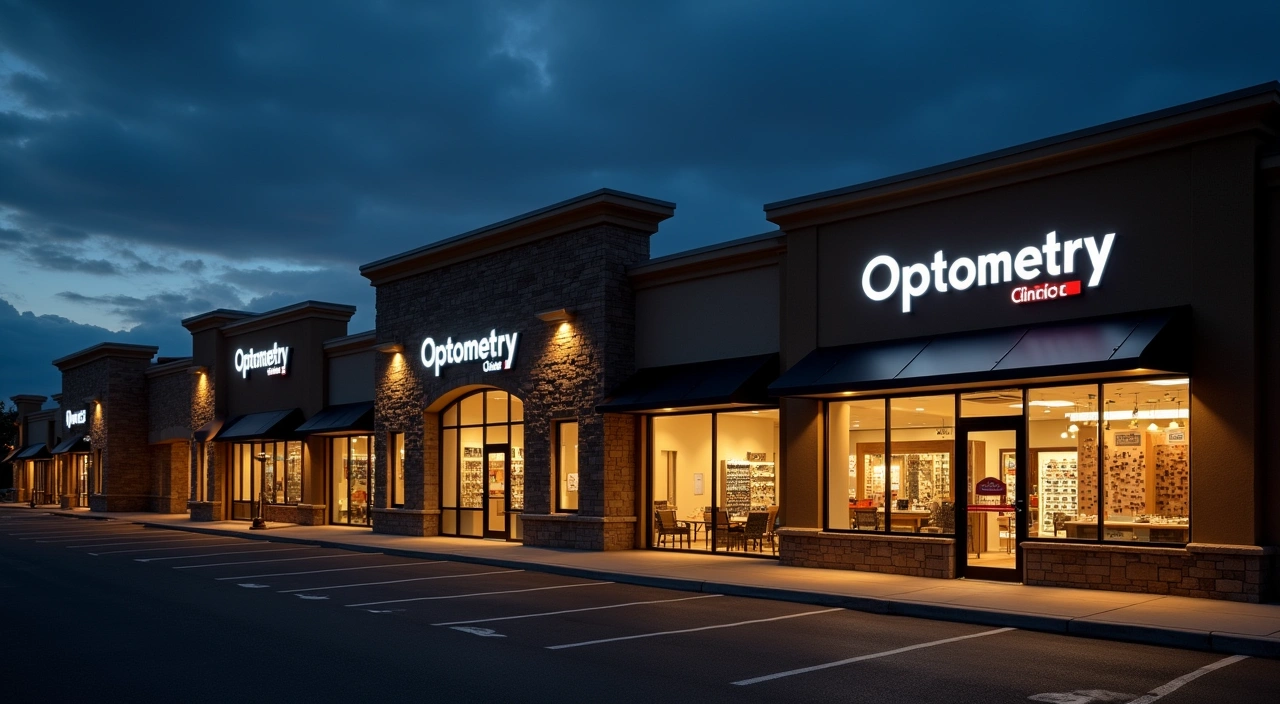
A single optometry practice is a valuable clinical asset. A network of five, operating under shared infrastructure with centralized billing and standardized clinical protocols, is an institutional-grade platform commanding 9.0–12.0x EBITDA at exit. Lumina structures the capital that builds the network.
Initialize Practice Equity AssessmentThe DSO (Dental/Doctor Service Organization) and OSO (Optometry Service Organization) structures are management service organizations — not clinical entities. Lumina Medical Capital structures capital for both the operating MSO and the professional corporation network it supports, ensuring every capital instrument is placed in the legally appropriate entity tier.
Each layer of the DSO/OSO capital stack serves a distinct purpose — and each carries different risk, rate, and covenant characteristics that must be engineered in concert.
Each location threshold unlocks a new capital instrument, a new lender relationship tier, and a new EBITDA multiple at exit. Building toward the right milestone is as important as the capital structure at each stage.
Two to three locations establishes the MSO operational model — centralized scheduling, shared billing, unified supply agreements — but EBITDA ($1.2M–$2.2M) is still below institutional interest thresholds. Capital at this stage: SBA 7(a) senior debt with seller carry, personal guarantee still required, DSCR covenant of 1.25x–1.35x. Exit multiple: 5.5–7.5x.
At four to six locations and $2.2M–$4.5M EBITDA, the platform enters institutional PE visibility range. Acquisition revolvers become available from regional banks. Seller note participation from add-on targets becomes standard. Centralized billing must be operational and demonstrating DSO improvement. Exit multiple: 7.5–9.5x. This is the optimal recapitalization window.
Seven-plus locations with $4.5M+ EBITDA qualifies for true institutional senior debt: non-SBA leveraged buyout structures, limited or non-recourse guarantees, and formal PE partnership interest. At this stage the MSO itself becomes acquirable by a larger DSO operator at 10.0–13.0x. Capital strategy pivots from growth to exit optimization — covenant management, EBITDA normalization, and management depth documentation.
Sponsors routinely underestimate integration costs. Per-location integration runs $180K–$320K when fully accounted — and underfunded integration destroys the EBITDA they paid to acquire.
Migrating from legacy EHR (Revolution EHR, Crystal PM, Compumed) to a unified platform costs $15,000–$38,000 per location including data migration, staff retraining, and parallel-run period. A 5-location integration requires a dedicated $75K–$190K EHR capital tranche.
Exterior signage, interior branding, uniform programs, and patient communication rebranding runs $12,000–$28,000 per location. Brand consistency signals operational maturity to buyers and reduces perceived transition risk — directly supporting multiple expansion at exit.
Transitioning acquired practices from independent frame and contact lens purchasing to a centralized MSO vendor agreement typically saves 8–14% on COGS — but requires 60–90 days of parallel inventory management and vendor contract renegotiation funded by working capital.
Clinical protocol standardization, staff cross-training, and management reporting onboarding requires an average of 120 hours of dedicated management time and $8,000–$18,000 per location in consulting and training costs. Underfunding this phase is the leading cause of post-acquisition EBITDA degradation.
Once your DSO/OSO platform reaches institutional scale, the exit decision — PE recapitalization vs. independent strategic sale — determines how much of the multiple accrues to you. Explore the full comparison framework.
Explore Exit Comparison →The difference between a 6.5x single-practice sale and an 11.0x platform exit is capital architecture. Lumina engineers every layer — from MSO formation to recapitalization — with the exit multiple in view from day one.
Initialize Practice Equity AssessmentMarket Intelligence
Illustrative data based on Arizona market research. Individual results will vary. Not a guarantee of specific outcomes.
Common Questions
A DSO (Dental Service Organization) model applied to optometry is called an OSO (Optometry Service Organization). OSOs operate under management services agreements (MSAs) with licensed ODs who retain clinical independence, while the OSO handles business operations, real estate, and capital. Arizona law requires that the licensed OD maintain clinical control.
Multi-location platforms command a significant valuation premium due to economies of scale, management infrastructure, and greater buyer appeal to institutional acquirers. A 3-location Arizona platform typically trades at 4.4–5.1x EBITDA versus 3.4–3.9x for a comparable single location.
Platform transactions are typically structured with institutional debt (non-SBA), preferred equity, and management rollover equity. The capital stack is more complex than single-location deals and typically involves a healthcare-specialist private credit fund or bank healthcare division.